Matcha
Abstract
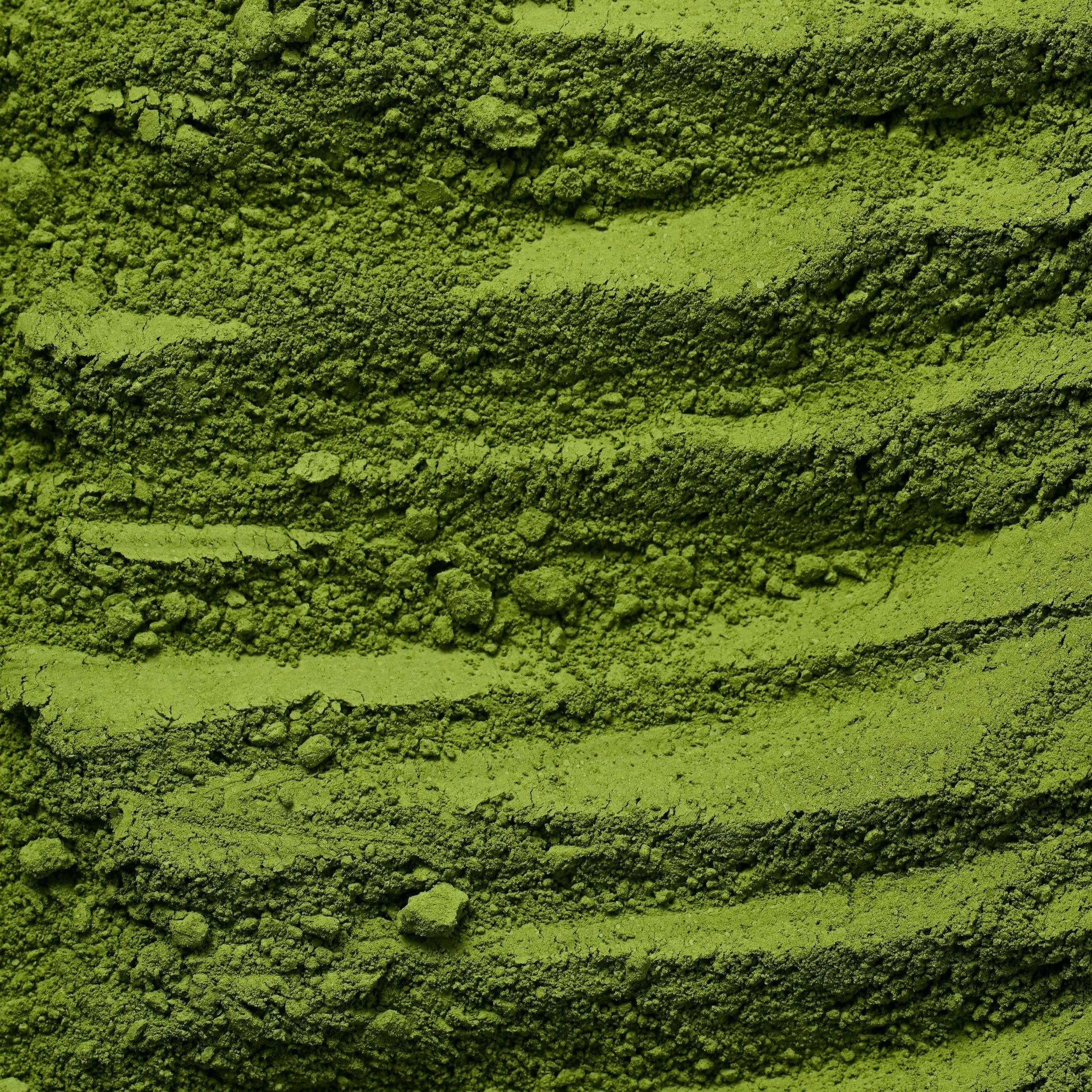
Matcha, consumed as a whole-leaf preparation, offers sustained clarity through its distinctive biochemical composition and preparation method. The combined action of caffeine and L-theanine supports attentional stability without agitation, while the practice of making introduces a slower, more deliberate rhythm into daily nourishment. Together, composition and process position matcha as an experience shaped as much by conditions as by content.
Unlike steeped teas, matcha is ingested in its entirety, delivering a concentrated profile of catechins, chlorophyll, amino acids, and micronutrients. This composition supports metabolism, cellular protection, and calm alertness. The energetic effect is gradual and sustained, avoiding the sharp peaks and declines associated with more stimulating beverages.
Equally important is how these effects are integrated into the body. Matcha’s physiological impact unfolds over time, encouraging steadiness rather than acceleration and supporting a mode of nourishment aligned with balance and continuity. CRD Home’s preference for Wakakusa Matcha exemplifies this balance through its lineage-driven craft and soft floral notes, offering a quiet vitality suited to intentional, repeatable practice.
Preparation As Practice
Preparation is not ancillary to the experience of matcha; it is foundational to it. Measured quantities, controlled temperature, and deliberate motion shape both flavor and effect. Attention to these variables establishes a consistent sequence in which the act of making becomes inseparable from the act of consuming.
This repetition cultivates familiarity and ease. Over time, the body comes to recognize the cadence of preparation, allowing sensory input, physical movement, and attention to align without conscious effort. Nourishment emerges through this alignment, registering as both physiological support and experiential clarity.
-
Sift 2 g of matcha into a warmed bowl. Add ~65 ml of water heated to 175–180°F, then whisk gently in a steady, fluid motion until smooth and lightly aerated. Drink slowly, allowing the floral and rose hip notes to unfold with calm clarity.
-
Sift 2 g of matcha into a vessel. Add ~200 ml of cold, filtered water and shake until fully dissolved and softly aerated. Pour over ice and enjoy as a refreshing, grounding moment.
-
Sift 2 g of matcha into your cup. Add a splash of warm or cold water to dissolve, then top with ~8 oz of your preferred milk (dairy or plant-based). For hot, lightly froth the milk; for iced, pour over ice. Stir gently and savor the creamy expression of Wakakusa’s bright floral character.
Matcha operates within an ecology of care in which the material, the body, and the setting are interdependent. Across its variations, matcha is defined by restraint, repetition, and attention: a stable sequence of preparation and setting that aligns body, mind, and environment, allowing nourishment to unfold as a sustained, relational practice rather than a momentary act of speed or stimulation.